Water and Wastewater Treatment
Modern solutions for the treatment of industrial and sanitary wastewater
What is wastewater and why is its treatment important?
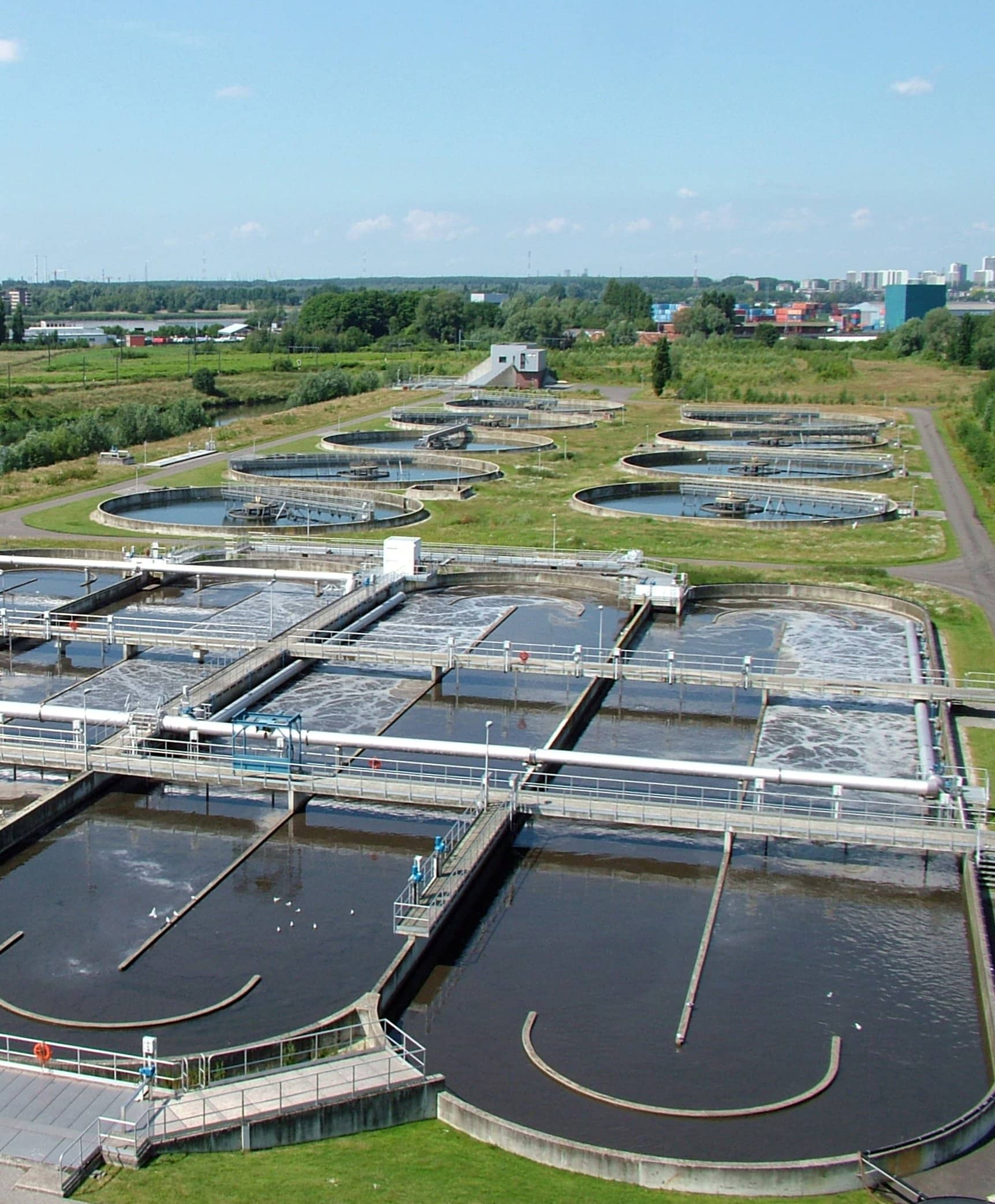
Wastewater is the water used by communities that has become polluted as a result of various applications. This effluent contains a combination of physical pollutants (color, turbidity), chemical pollutants (organic substances, heavy metals), and biological pollutants (bacteria, viruses), which, if not treated, pose a serious threat to human health and the environment.
The main goal of wastewater treatment is to remove or reduce pollutants to an extent that the treated effluent is safe and harmless for returning to nature or for reuse in industry and agriculture.
Main methods of wastewater treatment
Physical purification
Separation of solid and suspended materials from wastewater using physical processes such as screening, grit removal, sedimentation, and filtration.
Chemical purification
Using chemical reactions and additives to remove pollutants, such as coagulation and flocculation processes, pH adjustment, and ion exchange.
Biological treatment
Utilization of living microorganisms (aerobic and anaerobic) for the decomposition and removal of organic materials present in wastewater.
Modern Technology: Electrocoagulation (EC-F)
What is electrocoagulation?
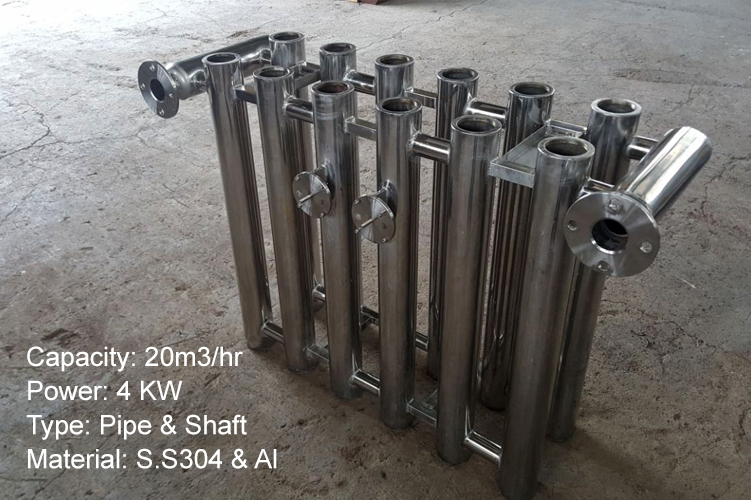
Electrocoagulation is an advanced and efficient method for treating complex industrial wastewater. In this process, using direct current (DC) and metal electrodes (such as iron and aluminum), coagulant materials are produced within the wastewater itself.
These substances destabilize pollutants such as paint, heavy metals, oil, and colloidal particles, leading to the formation of large flocs that are easily separable.
Key advantages of the EC-F system
Low investment cost
Low occupied space
Easy operation
High removal efficiency
More information and feasibility plans
To become familiar with the performance, applications, and specifications of the electric coagulation and filtration system, see the EC-F specialized page.
View the EC-F specialized page